Basic
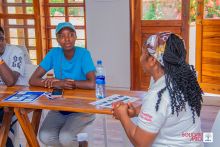
To improve adolescent mental health, SolidarMed is integrating a peer-based model aimed at reducing substance use and raising awareness on gender equity into vocational training institutions. Project Lead in Zambia, Beatrice Chiyokoma, highlights the importance of co-designing such wellbeing initiatives with the young people they aim to support.
Content
Content Text
Emerging public health challenges such as mental health and substance use require innovative, community-based approaches that meet people’s needs. In Zambia, where the median age is about 17, many vocational students turn to alcohol or drugs in difficult times – a coping mechanism that carries serious risks.

Content Text
“After COVID-19, mental health challenges in young people became noticeably high due to the pandemic’s devastating impact. Major disruptions such as the loss of jobs and loved ones left many struggling. This lead organisations into awareness raising and mental health prevention to improve resilience and coping skills," explains Beatrice Chiyokoma.
Content Text
PEGISUS: The study explained
PEGISUS (Peer Education for Gender Inclusion and Substance Use in Southern Africa) is a qualitative study designed to adapt and test the effectiveness of an evidence-based intervention to reduce risky alcohol and drug use among adolescents and young adults (16–24) in Zambia, Zimbabwe, and South Africa—while promoting healthier gender norms. SolidarMed has the lead in Zambia and Zimbabwe.
The program merges two proven interventions:
- Manhood 2.0 – which fosters healthy understandings of gender and challenges harmful norms.
- RAD-PAL – which supports young people to break risky consumption patterns and make safer choices within peer networks.
By embedding PEGISUS in vocational training institutions, the project rides on the perceived benefits of vocational skills training for a highly relevant target group at a critical stage in their lives.
Content Text
From the perspective of young people
Young people themselves have identified peer pressure as the biggest risk factor for substance use – alongside limited education, unemployment and poverty. Some of the consequences they face are violence, sexually transmitted infections and unwanted pregnancies. Yet they also see solutions: the support of the right peers, access to training and jobs and campaigns on substance use reduction and positive coping mechanisms give them hope for the future.
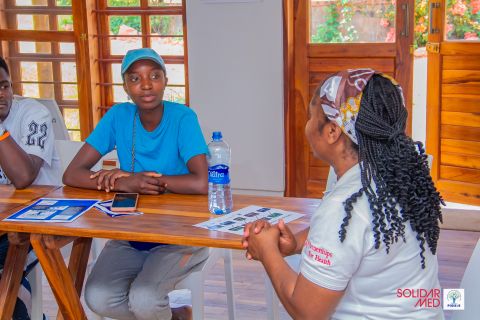
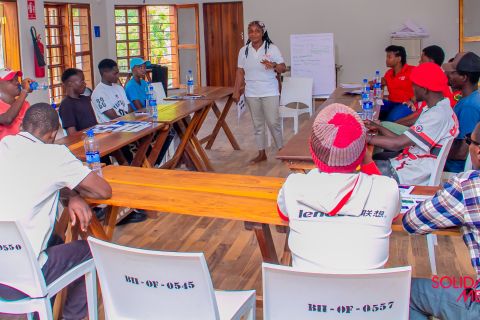
“We were able to gather this information because we created an environment of confidentiality and trust, making them feel safe enough to open up about sensitive issues like alcohol and drug use and risky sexual behaviors in their communities,” emphasizes the project lead.
Content Media

Content Text
Support tailored to their needs
For Beatrice, the most rewarding aspect is working hand in hand with young people from vulnerable communities eager to drive change. “By involving them in decision-making, we capture their unique experiences and co-create culturally relevant, age-appropriate interventions,” says Beatrice. Young people and friends from their community take part in the program together so they can support each other as they make healthier lifestyle changes. “I am mother of four young children myself. I love being part of a team that is creating safe spaces for young people,” she shares.
Content Text
Looking ahead, Beatrice hopes the evidence generated by the study will support wider adoption: “If we see positive results, we want to expand this work to more vocational institutions. Pragmatic and adaptable strategies can be scaled to other regions with similar settings.”
Teaser Spenden
Your support strengthens young people's mental health and helps them to go through life with confidence.