Basic
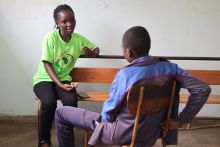
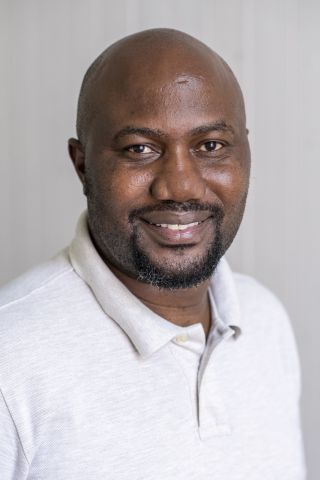
Many young people in Zimbabwe avoid visiting health centres – out of shame, fear of stigma or simply because they don’t know what services are available. In this interview, Kuda Madzeke, our Country Director in Zimbabwe, explains how SolidarMed is addressing these challenges.
Content
Content Media
Content Text
What challenges do young people in Zimbabwe face when it comes to accessing health services – especially in the area of sexual and reproductive health?
One of the biggest challenges is the lack of youth-friendly services. Many healthcare providers are significantly older and are often seen by young people as authority figures or even as parental figures. This creates distance. Communication is frequently perceived as confrontational or patronising, which discourages young people from visiting health centres – particularly when it comes to sensitive topics like HIV or contraception.
What other barriers do they face?
A major issue is financial dependence. If a young person suspects they might have a sexually transmitted infection, they need money for transport and medication. But how do you explain that to your parents if they don’t know – or don’t want to know – that you’re sexually active? Many are ashamed and seek help far too late.
Zitat
Content Text
There is also a strong fear of being stigmatised. In rural areas, everyone knows each other. Some health workers live in the same village as the young people and know their families. This can lead to a fear that private information might be leaked. For many, this is a major deterrent.
What can be done to improve the situation?
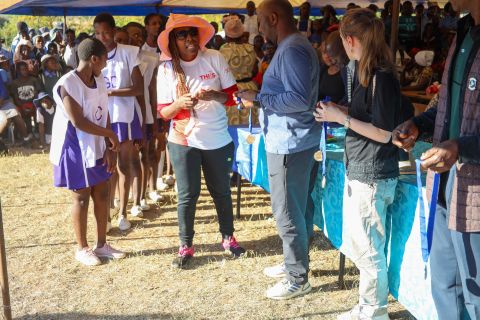
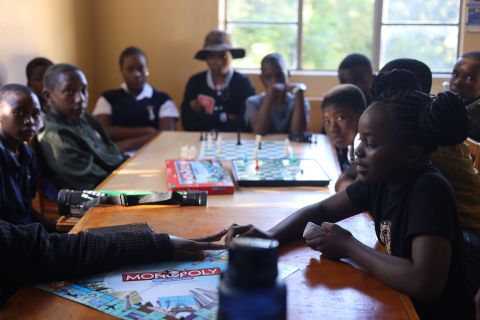
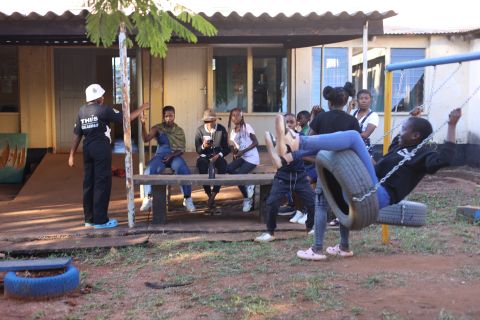
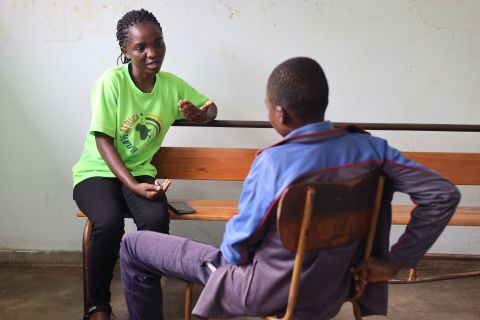
We train healthcare staff to understand how important it is to treat young people with respect, to meet them at eye level and to ensure confidentiality. We also work with so-called peer educators – trained young people who act as a bridge between their peers and the health system. This greatly lowers the threshold for accessing care.
Content Media
Content Text
Another key issue is the lack of privacy. Many health facilities are not designed to allow confidential conversations. That’s why we advocate for dedicated youth spaces within clinics, where counselling and treatment can be offered discreetly and safely.
How exactly are peer educators integrated into the health system?
Peers often reach each other better than adults do. That’s why we select suitable young people – they should be literate, communicative and willing to volunteer. They receive training on health topics and learn how to support their peers.
Zitat
Content Text
After the training, they work under supervision in health centres. Typically, two to three peer educators are active in each centre – at least one boy and one girl, depending on the size of the facility. They support activities such as HIV prevention days and follow-up care. For example, if a young person misses an appointment, they check in, visit them at home and help refer them to specialised services such as mental health support.
What motivates these young people to volunteer?
Officially, it’s a voluntary role, though they receive a small stipend of around 50 US dollars per month. Many see it as a valuable opportunity to gain experience in the health sector, as they hope to work in this field later. Others are motivated simply by their own conviction.
Content Text
A key focus in SolidarMed’s programmes
A central goal is to improve access to sexual and reproductive health services and to reduce the risk of teenage pregnancies. Through age-appropriate counselling and education, adolescents are empowered to make informed decisions and protect themselves from communicable diseases. This not only strengthens their health – it also promotes gender equality.
Content Text
How does SolidarMed ensure that young people’s perspectives are included in programme planning?
This is a crucial part of how we design our activities. Each health facility has an adolescent committee that meets regularly to discuss peer concerns, identify challenges and develop concrete suggestions. With support from trained adolescent-focal nurses, representatives from these committees present their points to the hospital management board, made up of healthcare staff, local representatives and members of specific interest groups, including youth, women and people with disabilities. . This ensures adolescent voices are heard where key decisions are made.
In addition, we regularly conduct focus group discussions during programme planning, sometimes in gender-specific groups, sometimes mixed. This allows us to gather direct feedback on their experiences, needs and expectations. Young people are also actively involved in the evaluation phase. After all, we can only improve our services if we know whether they truly meet young people’s needs.