Basic
Around a third of children in Sierra Leone are affected by malnutrition. The situation is particularly marked in the Koinadugu District, in the north-east of the country. SolidarMed has joined forces with a local partner organisation to launch a new project that aims to improve child health and nutrition through community activities.
Content
Content Media
Content Text
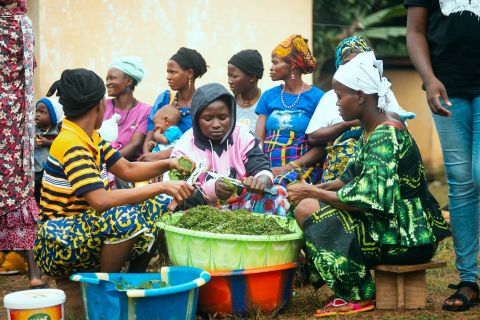
We are in the small village of Fadugu in north-eastern Sierra Leone. Surrounded by forest and without electricity, it is home to around 1,500 people. Few people use the health centre in the village. And many only take action once their child is already very sick. In addition, if there are complications, they can’t easily travel to the district hospital in Kabala, which is 40 kilometres away, as transport and accommodation for families is much too expensive.
Zitat
Content Text
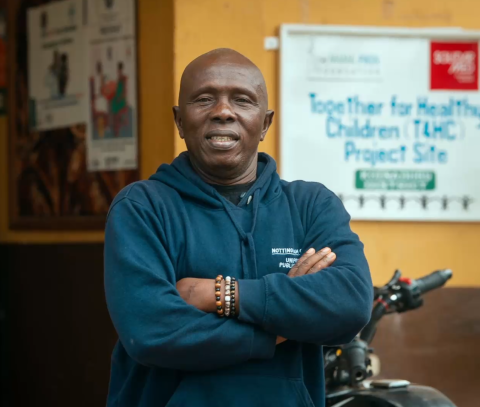
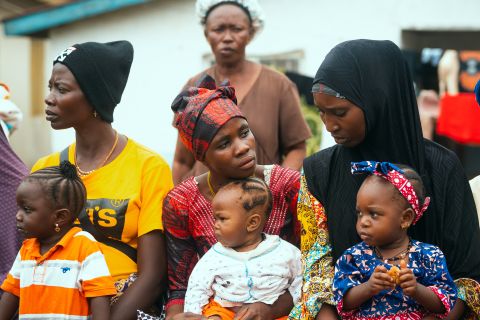
Sheku Rahim Mansaray, manager of the health centre in Fadugu explains: “For children suffering from malnutrition, professional treatment is key as otherwise their development can be severely impacted.”SolidarMed’s goal – in collaboration with the Mama-Pikin Foundation – is to improve the diet and health of 50,000 children aged under five in village communities across the Koinadugu District within three years. Through support groups, mothers and pregnant women get educated about the importance of nutrition and accessing healthcare.
Content Text
Sierra Leone: a new programme country of SolidarMed
Sierra Leone is one of the world’s poorest. Despite slowly recovering from the ten-year civil war that lasted until 2002, Sierra Leone is still suffering from the impact of the Ebola outbreak between 2014 and 2016. The health system is weakened and there is a marked shortage of health workers. The mortality rate in children aged under five is 94 per 1,000 live births, which can be attributed to diseases such as malaria, diarrhoea and pneumonia, as well as malnutrition. The proportion of children with developmental delays was 26% in 2022, a result of malnourishment in the first 1,000 days of life, or malnutrition that is left untreated. In the Koinadugu District, toddlers are particularly prone to preventable diseases due to a lack of access to healthcare, inadequate infrastructure, and skills shortages.
Content Text
Stronger together
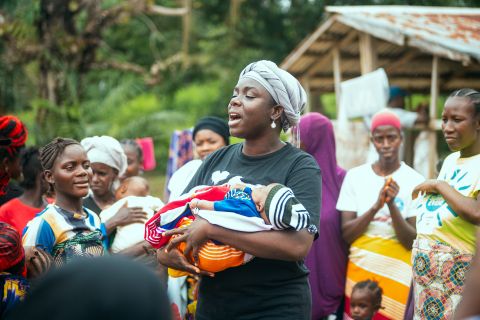
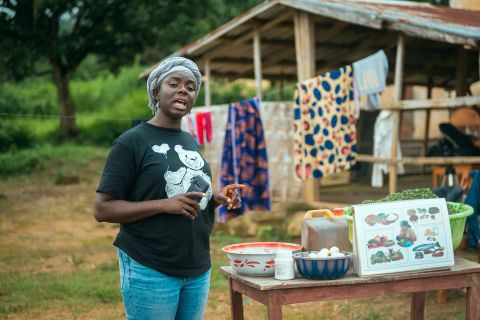
The health centre in Fadugu with its garden is the perfect meeting point for the mothers’ group. Although the pregnant and breastfeeding women arrive slightly late today due to the rain that was pelting down just moments ago, they are full of energy and curious about the course. In the cookery workshop a midwife explains the nutritional value of various food groups, before they cook and eat a meal together.
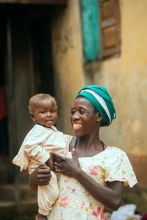
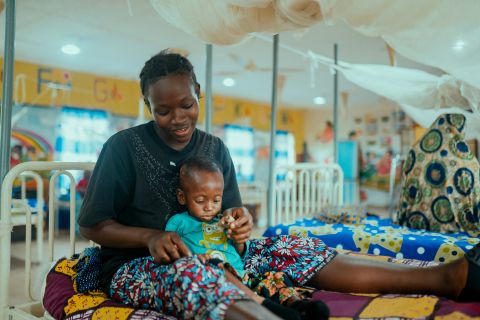
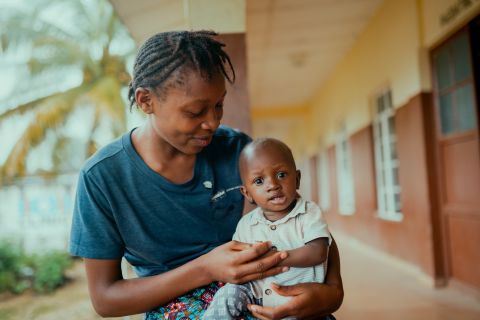
Kadiatu Mansaray, a farmer who grows corn and potatoes and keeps chicken and goats, is very involved in the mothers’ group. Her 17-month-old daughter Sajor, who was recently discharged from the malnutrition unit, now has renewed energy and babbles away cheerfully to herself. The little girl’s life had been hanging by a thread when she was urgently referred to the hospital in Kabala.
Content Text
After two weeks of treatment, she gradually started to get better. “What I liked most there was the great compassion and the attentive care shown by the staff towards our children’s health. It’s more than just medical support. The greatest joy was seeing how my daughter played with a doll or with other children, although at the beginning she couldn’t even sit up on her own – let alone play.”
Zitat

Content Text
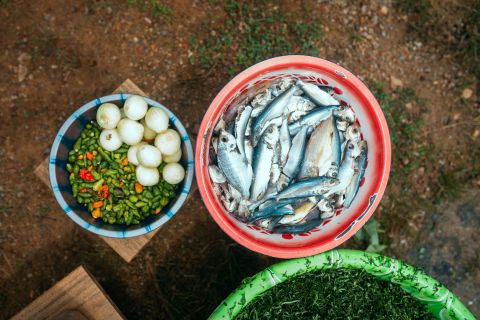
When her daughter was discharged from the malnutrition ward, Kadiatu received a package with medication and food so she could continue to look after her at home. In the mothers’ group she is learning how to combine ingredients to prepare nutritious meals, such as fish cooked over the fire with onions and different spices. “The knowledge I’ve acquired here is so important to avoid the health problems that my child once faced. I’m now confident that I can recognise the signs and symptoms that led to my daughter being hospitalised in the first place.” She participates attentively in the cookery courses to make sure she takes in every detail. “This experience has really shown me the importance of diet to recovery.”
Ambassadors for health
Traditional healthcare actors such as community health workers and midwives also receive support to improve the prevention and early diagnosis of diseases. They teach people about healthy practices such as handwashing, boiling water and eating a varied diet, but they also play a key role in the early diagnosis of more serious illnesses and in supporting primary care in community settings, such as dispensing oral rehydration salts. Radio discussions educate the public about the importance of diet to health and five town criers shout out the key messages at markets – 6’000 people were already reached through them. These community-based activities often lead to local solutions for existing problems, such as communal gardens and improved sanitation in villages.
To raise awareness, mothers like Kadiatu spread the message and share their own experiences with others: “If your child is sick, don’t delay – go straight to a health centre to seek help. It can save their life. Please don’t wait!” SolidarMed works to ensure that health centres offer emergency triage, treatment and integrated management of childhood diseases and malnutrition. In the event of complications, transport to the district hospital in Kabala and meals for the accompanying person are covered. To ensure the project has a lasting impact, SolidarMed is supporting health planning at district level and coordination with national health strategies.
Since April 2025, 141 malnourished children could be treated and 296 women have attended mother’s groups meetings. Sheku Mansaray, manager of the health centre in Fadugu, explains: “At first many people were wary of the programme, until a few patients came along and received complete and effective care. These success stories have now become the strongest message to increase awareness and build trust throughout the whole village.”
Content Media
Teaser Spenden
Thanks to your donation, malnourished children in remote areas get access to medical treatment.