Basic
High blood pressure is one of the leading causes of heart attacks and strokes worldwide – yet it often remains untreated in rural and remote areas. A study conducted by the University of Basel and SolidarMed in Lesotho shows how trained laypeople can reduce care gap.
Content
Content Text
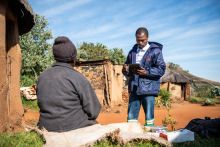
A study published today in Nature Medicine shows that trained villagers, supported by digital clinical decision tools, can treat high blood pressure in remote settings more effectively and just as professional staff in healthcare facilities.
Zitat
Content Text
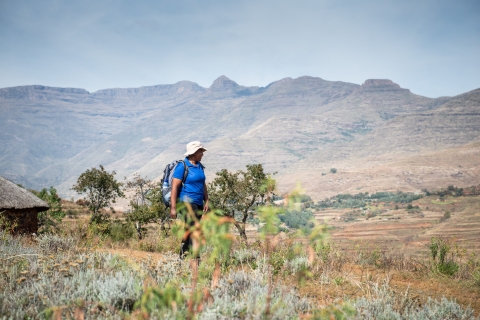
Laypeople working in rural villages
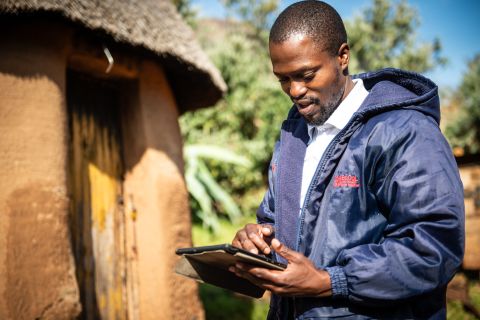
These laypeople have been trained as part of ComBaCaL (Community-Based Chronic Care Lesotho). They have screened more than 16,000 people in 113 villages for diabetes and hypertension. Thanks to this new approach, over 98% of adults in remote communities were screened by the end of 2024. To check the effectiveness of the ComBaCaL method, researchers compared two groups of people: around half of the people received counselling and were referred to a health facility after their diagnosis. The other half were looked after and treated by community health workers with the aid of the app.
Content Media
Zitat
Content Text
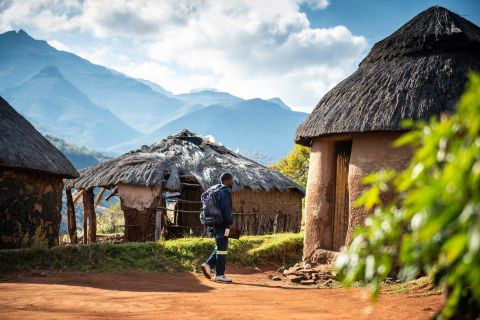
The study was conducted in Lesotho in collaboration with the University of Basel, local partners and SolidarMed. It provides robust evidence that layperson-led care models at village level can make a decisive contribution to the treatment of chronic diseases – particularly where health professionals are scarce.
Research that improves lives
A strong example of how international collaboration, Swiss research and practical implementation can work together to improve healthcare in rural regions.
Content Text
Strong Partnerships
The project is part of the Community Based Chronic Care Lesotho (ComBaCaL) research programme and is supported by TRANSFORM, a funding programme of the Swiss Agency for Development and Cooperation (SDC).