Basic
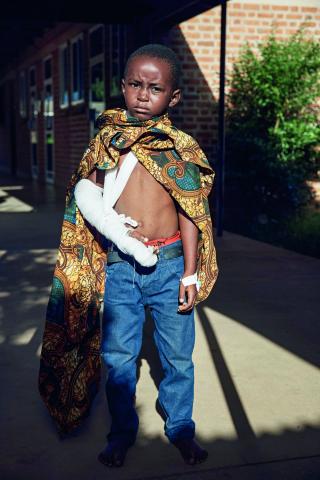
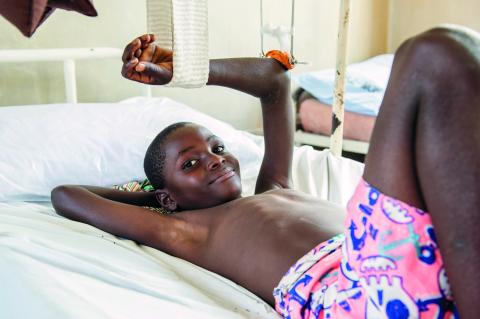
Only a few years ago, the infant mortality rate in the overcrowded emergency rooms in northern Mozambique was alarmingly high. For some time now, SolidarMed has therefore been assisting three important health facilities in the remote province of Cabo Delgado in order to improve the emergency care of children. The basis for this is a triage system based on colors.
Content
Content Media
Content Text
Triage system shows effect quickly
Mozambique is one of the poorest countries in the world and the northern province of Cabo Delgado is one of the least developed regions of the country. Malaria is one of the country's most serious health problems. In addition to a lack of education and health services, the disease contributes significantly to the widespread poverty of the people.
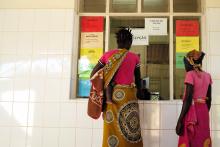
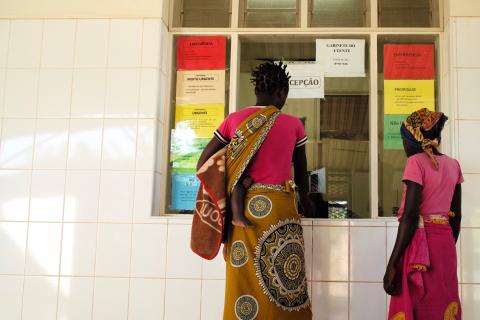
In the Chiúre district hospital alone, around 100 mothers with feverish infants seek help every day. All these patients are only cared for by two health workers. On arrival at the emergency rooms of most hospitals and health centers in the province of Cabo Delgado, the children, along with their mothers, had to wait in long queues. Many children died in the first 24 hours after admission because it took too long to diagnose and treat life-threatening illnesses.
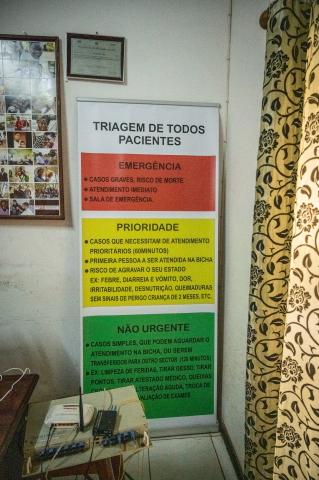
The triage system introduced by SolidarMed brought a significant change. Upon arrival at the respective health care facility, children under the age of 14 receive a color card: red for emergencies, yellow for priority cases and green for cases that can still wait. With this simple and internationally proven color system, health care staff can prioritize the most serious illnesses and treat emergencies first.
Content Media
Content Text
Shorter waiting times reduce child mortality in emergency rooms
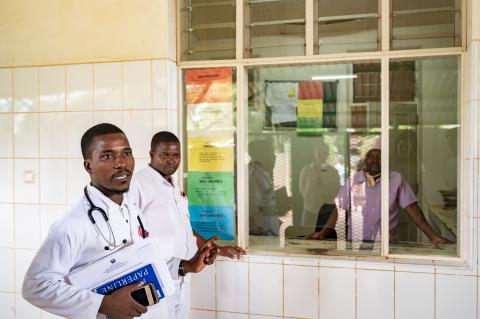
In addition to the fact that so many of these deaths can be prevented, patient flow has also been improved. Simple training in the use of the triage system, also for non-health staff, bridges the acute shortage of personnel. Health workers also receive training in life-saving emergency care for children. In the meantime, infant mortality has been significantly reduced. SolidarMed collects data at the provincial hospital in Pemba, the district hospital in Chiúre and the Metoro health center in the Ancuabe district, where the project was introduced, in order to evaluate and document the effect that the triage system is producing. The project is thus continuously improved and the results help the authorities in their health policy decisions.